
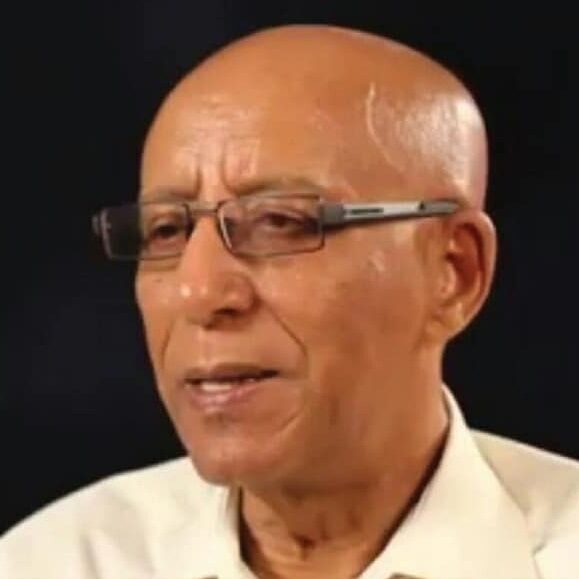

Event: ዸራቅሊጦስ (Paraclete Week) 2018
Theme: The Reality of Poverty in Ethiopia — Challenges and Opportunities for Service የኢትዮጲያ የድህነት ሁኔታ — ተግዳሮቶችና የአገልግሎት ዕድሎች
Day 3 opened with a striking declaration: “Poverty is not just a number; it is a reality visible on human faces, in lives, and in hope.” This set the tone for a sermon that was grounded not in abstraction but in lived experience. The speaker drew on personal encounters with poverty in Ethiopia, from families dispossessed of their land by corrupt officials, to the haunting images of the 1966/67 famine in northern Ethiopia documented by BBC journalist David Dimbleby. The message was clear from the outset: poverty in Ethiopia has deep, complex, and often deliberate roots, and the church cannot afford to look away.
Understanding Poverty — Encounters and Root Causes
The speaker traced multiple dimensions of Ethiopia’s poverty through both personal testimony and structural analysis:
Systemic and Historical Roots Poverty in Ethiopia, the sermon argued, is not accidental. It is perpetuated by a web of interconnected forces: unjust land seizures by those in power, the 1966/67 famine, and the legacy of corruption, vividly illustrated by Proverbs 29:4: “A king gives a country stability through justice, but one who demands bribes tears it down.” Western foreign policy was also named as a structural contributor, described with a pointed metaphor: putting just enough fuel in an engine to keep it running — but never enough for the car to actually go anywhere.
Personal Responsibility and Cultural Patterns. Alongside structural critique, the speaker challenged cultural complacency, illustrated through the image of a man living beside the Blue Nile yet remaining unwashed and uneducated. Access to resources does not automatically produce transformation. Alongside this, the challenge of sharing wealth was addressed in the story of the Rich Young Ruler (Mark 10:22–26): “It is easier for a camel to go through the eye of a needle than for a rich man to enter the Kingdom of God.” Generosity, the speaker affirmed, is not natural — it must be cultivated. Yet Proverbs 19:17 promises: “Whoever is kind to the poor lends to the LORD, and He will reward them.”
“You Give Them Something to Eat” — A Framework for Action
The sermon’s pivotal turn came through Jesus’s command in Mark 6:37: “You give them something to eat.” When the disciples saw an impossible problem, a hungry crowd in a deserted place, Jesus turned the challenge back to them. This became the framework for the entire second movement of the message.
Six Practical Principles for Engaging Poverty:
- We Can Give and We Can Overflow — Generosity is possible. The starting point is believing that we have something to offer, however small.
- Be Creative (30/60/100-fold Thinking) — Drawing on the parable of the sower, the speaker challenged his audience to move from passive recipients to creative producers. With the right eyes, even the Afar desert holds abundant resources; even the Kebena River, often overlooked, carries beauty and potential. “We more often sit on our brains than we use them.”
- Be a Hard Worker — Proverbs 10:4 and 14:23 were invoked: “All hard work brings a profit, but mere talk leads only to poverty.” Ephesians 4:28 adds the social dimension — work not just for yourself, but so that you have something to share with those in need.
- Survey Your Surroundings — As Hagar discovered a well she had not seen (Genesis 21:19), and as Jesus asked “How many loaves do you have? Go and see” (Mark 6:38), the challenge is to look carefully at what is already present and available before assuming there is nothing.
- Be Compassionate and Cultivate Generosity — Ephesians 4:32 and 2 Timothy 6:18–19 were cited as calls to train oneself in the habit of giving — accumulating not just wealth but a “good foundation for the coming age” through generous, ready sharing.
- Education and Awareness — Expanding vision and attentiveness are critical tools. Small gifts, the speaker insisted, can multiply and be blessed. The goal is a community where givers remain givers — and receivers grow into givers.
Seven Calls to Action
The sermon closed with a seven-point agenda for the church’s engagement with poverty:
- Detest Poverty and Hunger for its Absence (መንገሽገሽ እና መንገብገብ) — Channel deep, heartfelt hatred of poverty and a burning hunger for a poverty-free people. Like Hannah’s desperate prayer (1 Samuel 1:10) and the bleeding woman’s determined reach (Mark 5:28), transformation requires both anguish and hunger.
- Break Strongholds — Poverty is sustained by spiritual strongholds, deeply rooted mindsets, deception, despair, hatred, and pride. Using 2 Corinthians 10:4–5, the speaker called the church to demolish these fortresses — and to prioritize reconciliation and peace (Colossians 3:13–14; 2 Corinthians 5:18–20) as foundational to that work.
- Cultivate Vision and Creativity — Vision prevents aimless wandering. Creativity turns the seemingly useless into productive, taking communities from 30-fold to 60-fold to 100-fold fruitfulness.
- Make This a Core Mission of Local Churches — The local church has direct generational influence and must place poverty alleviation at the center — not the margins — of its work.
- Invest in Children and Youth — Proverbs 22:6 grounds a call to raise children who detest poverty and hunger for justice. Sunday school and youth programs must intentionally include this formation.
- Advocacy Work — The church must name and resist both domestic and foreign forces that perpetuate poverty, and work for systemic change.
- Rise and Work with God — Quoting Luke 18:27 — “What is impossible with man is possible with God;” the sermon ended where it began: not in human capability, but in divine partnership. “We rise and work, and God gives us the outcome.”
“You give them something to eat.” Jesus did not dismiss the impossible — He handed it back to His disciples as a commission. The church in Ethiopia holds more than it thinks. The question is whether it will look, see, and give.


