

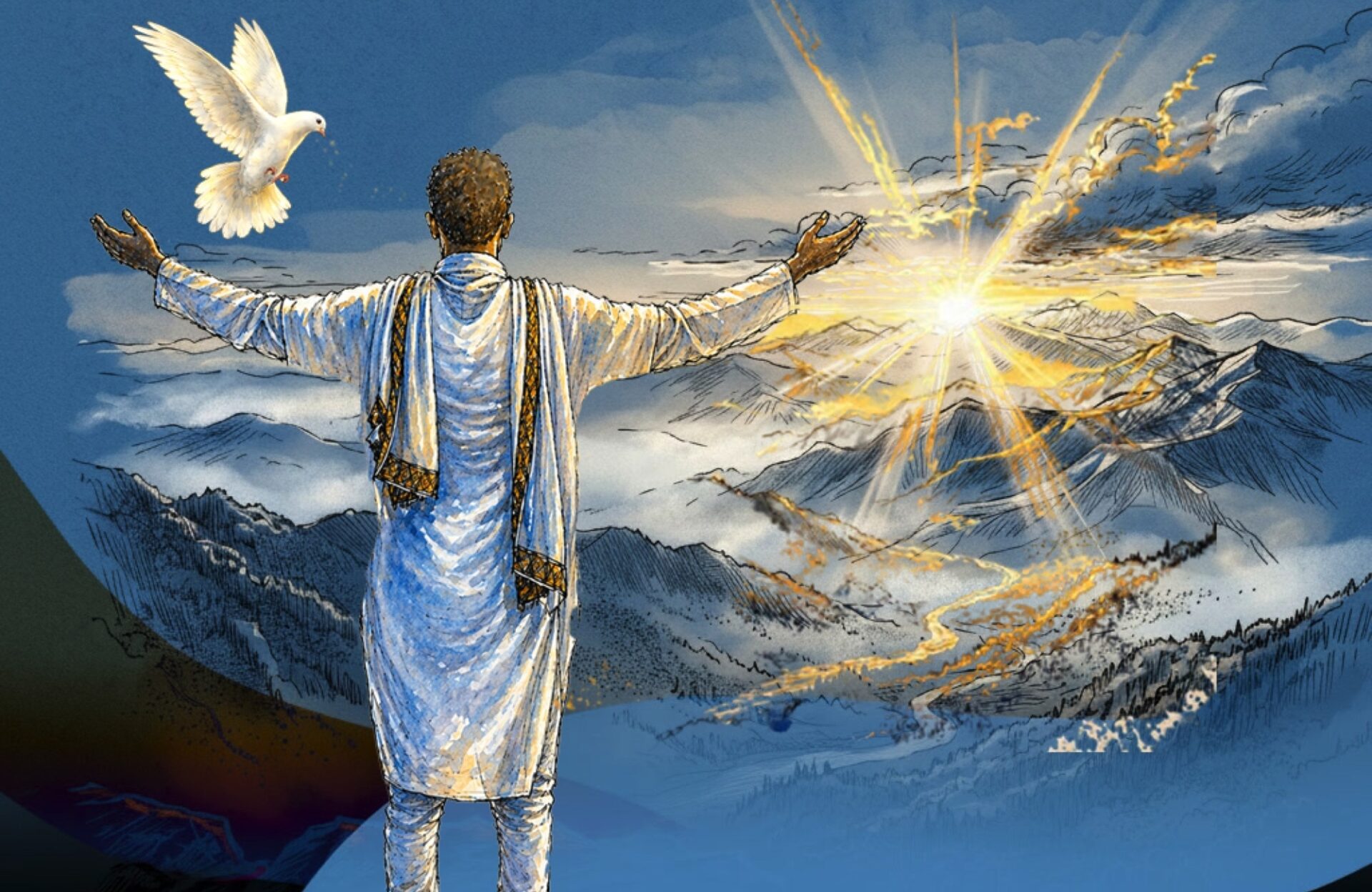
Event: ዸራቅሊጦስ (Paraclete Week) 2018
Speaker: Gash Nigussie Bulcha
Theme: The Theology of Poverty and the Way of Compassion | ነገረ ድኸነትና የርኅራኄ ዘይቤ
Gash Nigussie opened Day 2 by anchoring the entire message in a single verse: “Since we live by the Spirit, let us keep in step with the Spirit” (Galatians 5:25). This framing was deliberate; before engaging with poverty as a social or theological problem, he established that the Christian’s response to the poor is not a program or a project. It is a way of walking. The Spirit-filled life and compassionate service are not separate tracks; they move together, step by step.
Poverty Was Never God’s Design
Humanity Created in Dignity The sermon began with a bold theological claim: poverty is not part of God’s original creation. Drawing from Genesis 1:26–27, Psalm 8, and Genesis 2:8–9, 15, Gash Nigussie painted a picture of humanity as God originally intended — blessed, dignified, and given meaningful stewardship over creation. Human beings were made as image-bearers, crowned with honor and entrusted with the care of the earth.
The Fall and Its Consequences Against this backdrop of original blessing, the Fall introduced what the speaker called ውርደትና ሥቃይ: shame and suffering. Poverty, in its many dimensions, is among the bitter fruits of the fall. It is not natural. It is not inevitable. And it is never to be accepted as God’s will for His image-bearers. This theological grounding is crucial: it means that engagement with poverty is not charity; it is the restoration of dignity that belongs to every human being by creation.
The Bible’s Consistent Witness — “Do Not Forget the Poor”
The Old Testament Principle The Hebrew Scriptures are consistent and clear: do not forget the poor. Mosaic law built structural protections for the vulnerable, provisions for gleaning, sabbath rest, and the Year of Jubilee, not as optional kindness but as a covenant obligation. Gash Nigussie highlighted that the Law assumed a community where the vulnerable would always have recourse.
The Prophetic Warning The prophets intensified this call into a warning. From Amos to Isaiah, the prophetic tradition drew a direct line between injustice toward the poor and the breakdown of covenant faithfulness. A community that worships with its lips while oppressing the vulnerable is not worshipping at all: it is performing religion while breaking the heart of God.
The New Testament Pattern — “Remember the Poor”
Jesus Christ — Conceived, Anointed, and Sent by the Spirit At the center of the sermon stood Jesus, presented in three Spirit-given movements:
- Conceived by the Spirit — His very entrance into the world was an act of solidarity with the vulnerable.
- Anointed by the Spirit — His public ministry was inaugurated with a mandate for the poor (Luke 4).
- Sent by the Spirit — His mission was not incidental to the poor; it was defined by them.
And critically, Jesus became poor (2 Corinthians 8:9). He did not merely help the poor from a distance: He entered poverty. He healed the poor. And He left His followers with clear instructions for serving the poor.
Three Apostles, One Consistent Witness Gash Nigussie then traced the apostolic tradition through three voices:
- Paul — whose missionary theology could not be separated from economic solidarity and sacrificial giving (2 Corinthians 8–9; Galatians 2:10).
- James — who offered the sharpest rebuke of any church that shows favoritism to the wealthy and neglects the poor (James 2).
- John — in whose writings love without concrete action toward the needy is exposed as hollow (1 John 3:17).
The Steward (ሙዐለ ንዋይ) The sermon also lifted up the figure of the steward — the one entrusted with resources not as an owner but as a manager accountable to God. How we handle material wealth is not a private matter; it is a spiritual one.
Our Responsibility — A Three-Part Call
Gash Nigussie closed with a personal and communal challenge in three dimensions:
- Heartfelt Conviction (ልባዊ) — The engagement must begin in the heart. Service to the poor that flows from obligation or performance is hollow. It must be rooted in genuine love and a transformed understanding of human dignity.
- Participation and Solidarity (ሱታፌ) — Echoing the Koinonia theme from Day 1, the call here is to actual sharing — not merely sympathy. Solidarity means entering into the condition of the other, not managing it from above.
- Compassion (ርኅራኄ) — The word used is visceral. Biblical compassion is not sentiment; it is the movement of one’s deepest being toward the suffering of another. It is the compassion that Jesus had when He “saw the crowds and had compassion on them.”
To walk in the Spirit is to walk toward the poor. If we say we are led by the Spirit and walk past poverty untouched, we must ask ourselves: which spirit are we following?


